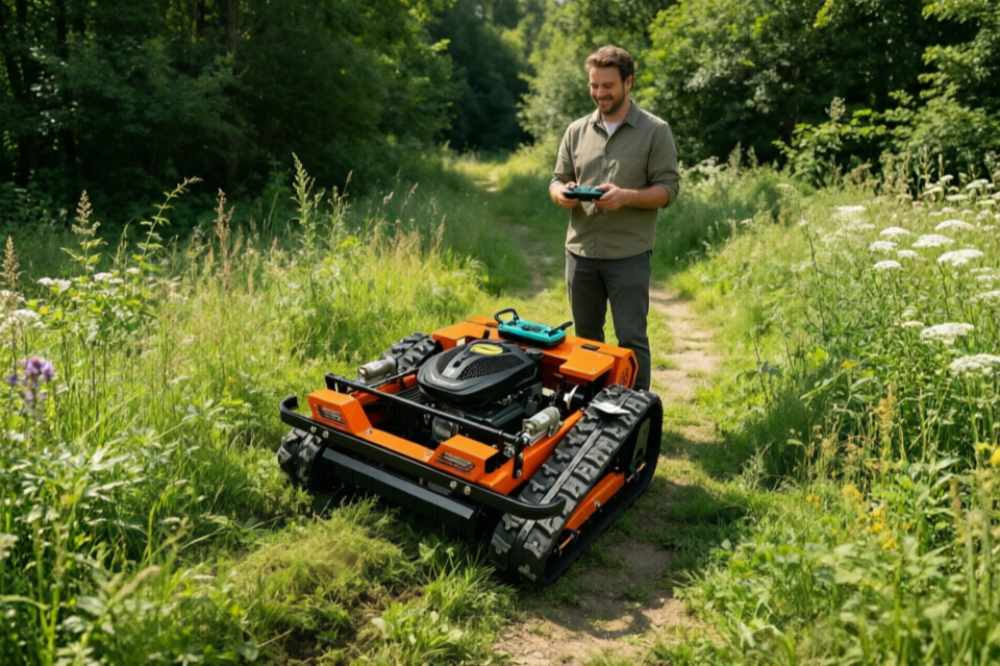

Types of Lawn Mowers
There are numerous types of lawn mowers, primarily categorized based on different usage requirements and power sources, as follows:
By Power Source
Fuel-powered: Utilizes gasoline or diesel engines, offering high power and long endurance, making it suitable for large-scale or outdoor operations, but with significant noise and vibration.
Electric type: It is divided into two categories — wired plug-in and wireless lithium battery — featuring low noise, zero emissions, and simple maintenance, making it suitable for home gardens. The lithium battery version is gradually becoming the mainstream in the market.
Other power sources: include old-fashioned models driven by human or animal labor, as well as emerging solar-powered models.
By Movement & Operation
Push-type: Requires manual pushing for movement, suitable for small lawns under 2,000 square meters.
Self-propelled: The machine comes with its own walking power, requiring only human control of direction, making it labor-saving and efficient.
Riding-type: Operated by sitting like driving a car, suitable for large lawns.
Smart robot: Capable of automatic path planning, self-charging, and obstacle avoidance, with some high-end models no longer requiring pre-embedded boundary lines.
By Cutting Method
Spinning blade type: The blade cuts at high speed, suitable for ordinary lawns, with high efficiency.
Rolling cutter type: High cutting flatness, suitable for areas with high grass-quality requirements such as golf courses.
Reciprocating: Utilizes a moving blade and a stationary blade for shearing, resulting in clean cuts, making it suitable for grass harvesting.
Safety Considerations
Lawn mowers are high-speed rotating machinery, and improper operation can easily cause danger. Safety regulations must be strictly followed:
Personal Protection
Wear long-sleeved tops and pants, wear shoes with a non-slip texture, and prohibit wearing slippers or going barefoot.
Wear a safety helmet, goggles, and preferably ear muffs to avoid noise damage.
Clear the Work Area
Clean up stones, branches, and other debris in the mowing area before use to prevent the blades from flinging material and injuring people.
When the machine is started, there should be no people within a 10-meter radius; keep the exhaust side away from people.
Mowing is not allowed if the slope angle exceeds 15 degrees, and can only be done horizontally along the slope. Mowing up and down the slope is strictly prohibited.
Standardize Operation
It is not allowed for anyone — including children — who is drunk, has a cold, or is sick to operate the machine.
It must be used outdoors with good ventilation, and prolonged operation in hot or cold climates is prohibited.
When adjusting the machine, clearing debris, or cleaning the cutterhead, ensure the engine has stopped and cooled down; adjusting while the machine is running is strictly prohibited.
Daily Maintenance
Proper maintenance can extend the machine's lifespan and ensure cutting efficiency. The following points should be emphasized:
Oil Change Cycle
The oil should be changed after the first 3.5 hours of operation of the new machine, and then every 30–50 hours of use thereafter.
The oil change should be carried out after the engine has stopped and cooled slightly; after draining the oil, refill with the appropriate oil to the specified level.
Before each use, check the oil level to see if it is between the upper and lower marks on the dipstick.
Blade Maintenance
Before each use, check whether the blade is sharp or worn, as blade imbalance can cause machine vibration.
When grinding blades, follow the blade's original angle and direction to maintain sharpness for a flat, even cut.
When not in use for a long time, apply grease to the blade to prevent rusting.
Body Cleaning
After each use, clean the interior of the casing to prevent rust caused by grass and sludge adhesion.
Remove weeds, debris, or dust from the protective cover every day to prevent engine damage due to overheating.
When not in use for a long time, clean the entire machine and store it in a dry, well-ventilated place.