

Excavator Basics & Safe Operation
Definition · Safety Rules · Common Faults · Maintenance
What Is an Excavator?
Excavators — also known as digging machines or earthmoving machines — are versatile construction equipment that use a bucket to excavate material above or below the bearing surface, loading it into transport vehicles or stacking it in a stockyard. The materials handled include soil, coal, sediment, and pre-loosened rock. In recent years, excavator technology has advanced rapidly, making them one of the most essential machines in any construction project.
Safety Operating Rules
Safe operation is non-negotiable. Follow these rules without exception:
1. No one may board or disembark the excavator during operation, and no maintenance is allowed while the machine is running. Do not adjust the engine governor, hydraulic system, or electronic control system arbitrarily.
2. When unloading into a dump truck, wait for the truck to come to a complete stop first. Lower the bucket gently — never drop it suddenly. The bucket must never pass over the truck cab.
3. Never use the bucket to smash solid objects. Remove large stones or hard obstructions before continuing. Excavating unblasted rock of grade 5 or higher is strictly prohibited.
4. Do not operate two excavators in the same upper-and-lower excavation zone simultaneously. When moving within the work face, clear the path and level the ground first.
5. Never lift the excavator by fully extending the bucket — the machine cannot move horizontally or swing while the bucket is still on the ground.
6. Do not use the boom to drag objects horizontally. Hydraulic excavators must never use impact-style excavation.
7. While the machine is swinging, never reverse the swing control handle.
8. Operators must continuously monitor the machine. Stop immediately and inspect if any abnormality is detected.
9. Regularly check hydraulic oil temperature during operation. When crossing power lines, bridges, or culverts, assess the situation beforehand and assign a spotter if needed. Maintain at least 5 meters of clearance from high-voltage lines. Avoid reverse travel whenever possible.
10. When traveling, keep the boom parallel to the track frame, lock the swing platform, and carry the bucket approximately 1 meter above ground. Use low gear when descending slopes — never coast in neutral.
11. Maintain a safe distance from slopes, ditches, and foundation pits when selecting a travel route. When crossing soft ground, use low gear at a steady speed, and lay down wooden boards or stones to stabilize the path if necessary.
Common Fault: Transmission "Jumping Out of Gear"
One of the most common issues in travel motors is the transmission unexpectedly dropping out of gear. Root causes include:
Improper adjustment: Loose gear levers, shafts, or fixing screws can cause the transmission to jump. This excavator's mechanical manual shift system requires all fasteners to be securely tightened.
Sudden load changes: Uneven terrain, downhill driving, or improper travel routes can cause abrupt load shifts that generate axial thrust on the gear meshes, forcing them to disengage.
Slope operation errors: Improper handling on inclines — especially downhill — is a frequent trigger.
Preventive Measures
Follow operating procedures: Adhere strictly to standard driving practices to minimize gear-jumping incidents and reduce gear wear.
Maintain the shifting mechanism: Inspect and adjust the gear shift lever linkage promptly. Ensure the self-locking mechanism — positioning balls, springs, and fork shafts — is in good condition. Replace any worn components immediately.
Proper assembly: During transmission service, follow the prescribed torque sequence and adjustment procedures. On long downhill runs, always follow the manufacturer's downhill-driving instructions — never bypass safety protocols.
Daily Maintenance & Inspection
Regular maintenance reduces breakdowns, extends service life, cuts downtime, and lowers operating costs. Proper management of fuel, lubricants, coolant, and air intake alone can prevent up to 70% of all failures.
Pre-start visual inspection
Walk around the machine and check:
① Oil, fuel, and coolant leaks
② Loose bolts and nuts
③ Damaged wires, short circuits, or loose battery connections
④ Oil contamination on the ground
⑤ Debris accumulation under the machine
Post-start checks
After starting the engine, verify: horn and all gauges function normally, engine starts smoothly with normal noise and exhaust color, and no new leaks have appeared.
Filter maintenance
Filters prevent impurities from entering the hydraulic and fuel systems. Replace all filter elements at the intervals specified in the operation manual. When changing filters, inspect the old element for metal particles — their presence indicates internal wear and requires further diagnosis. Always use genuine specification filters; counterfeit filters have poor filtration and can cause serious damage.
Daily routine
Rotate the machine twice daily to check for appearance issues, chassis abnormalities, grease leakage from the swing bearing, and the condition of reducers and braking devices. Tighten any loose bolts promptly and replace worn components.
Check after startup is essential — confirm that all indicators read normally and that there are no unusual sounds or vibrations.
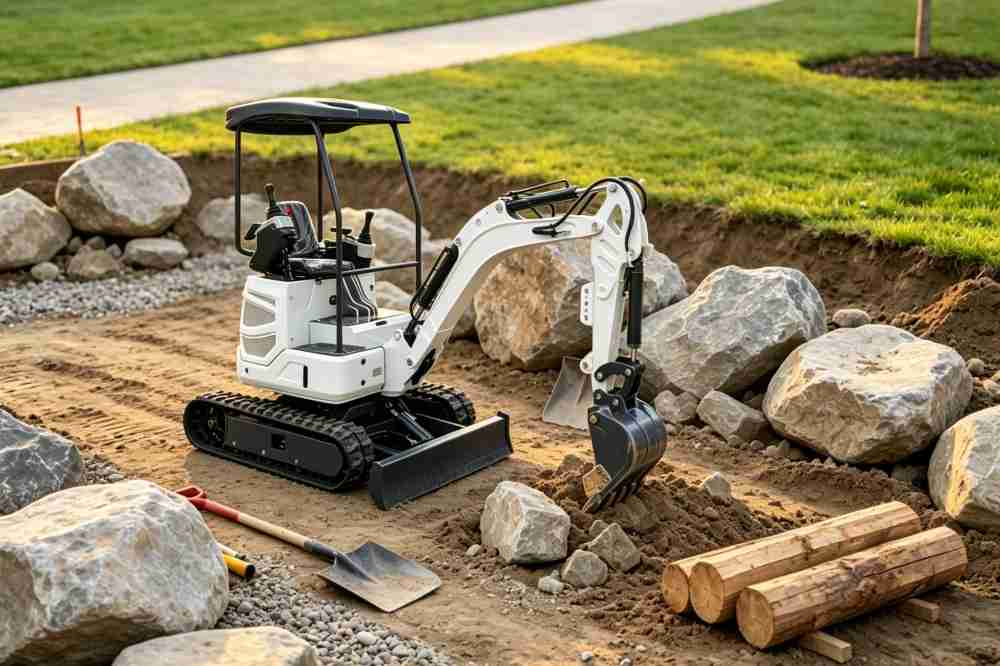
Remember: consistent daily inspection is the single most effective way to keep your excavator running reliably and to keep maintenance costs under control. A few minutes each day can prevent costly downtime.