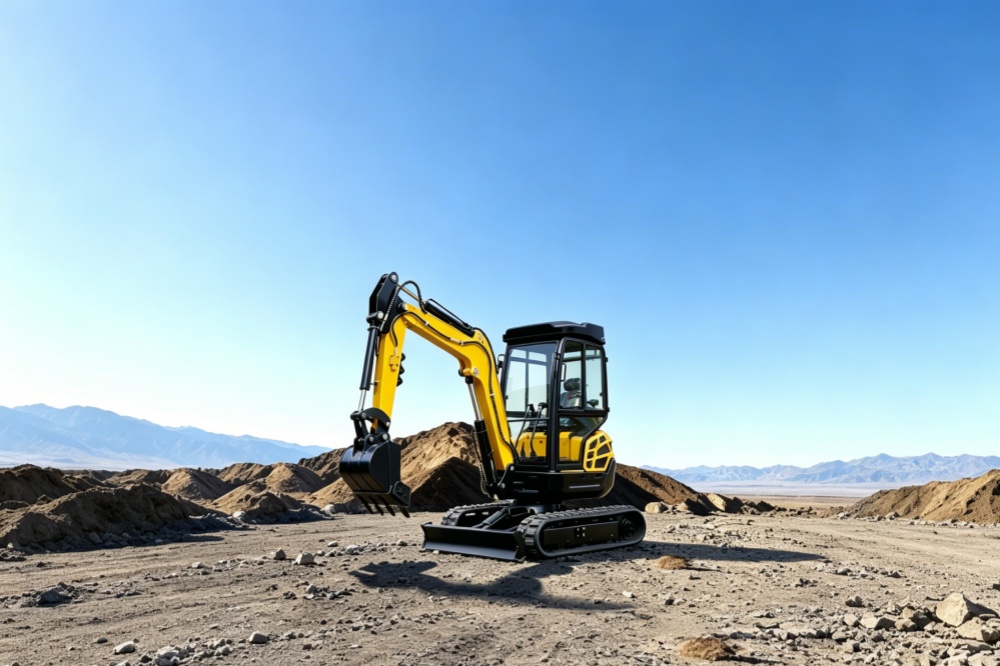

Excavator Track Damage & Maintenance
Common Causes · Prevention · Best Practices
The walking system of an excavator — composed of drive wheels, idlers, carrier rollers, and tracks — is one of the most critical components. Crawler excavators operate in harsh construction environments, and track damage, loosening, or breakage is unfortunately common. Understanding the root causes is the first step toward prevention.
Common Causes of Track Damage
1. Traveling on uneven terrain
When excavators perform earthwork, the operating site is typically rough and uneven. Improper travel on such terrain causes the machine's weight to concentrate on localized areas, increasing track stress and leading to loosening and premature wear.
2. Improper turning technique
During a turn, one track moves while the other remains stationary, creating significant rotational friction. If the track encounters an obstacle such as a raised ground feature, it can become caught on the rotating track assembly, leading to tension damage or even track breakage.
3. Excessive traveling distance
Excavators are not designed for long-distance road travel like trucks. Prolonged traveling causes excessive wear on tracks and significantly shortens equipment service life. Travel distance should always be kept to a minimum.
4. Failure to clean debris from tracks
When a tracked excavator works or moves, gravel and soil can accumulate inside the track chain. If not cleaned out before traveling, the debris gets squeezed between the drive wheel, idler, and track links — causing track loosening, chain rail breakage, and accelerated wear over time.
5. Unreasonable parking
Crawler excavators should always be parked on level, firm ground. Parking on uneven surfaces creates uneven stress distribution across the tracks — one side bears more weight than the other — which can lead to track cracks or breakage due to stress concentration.
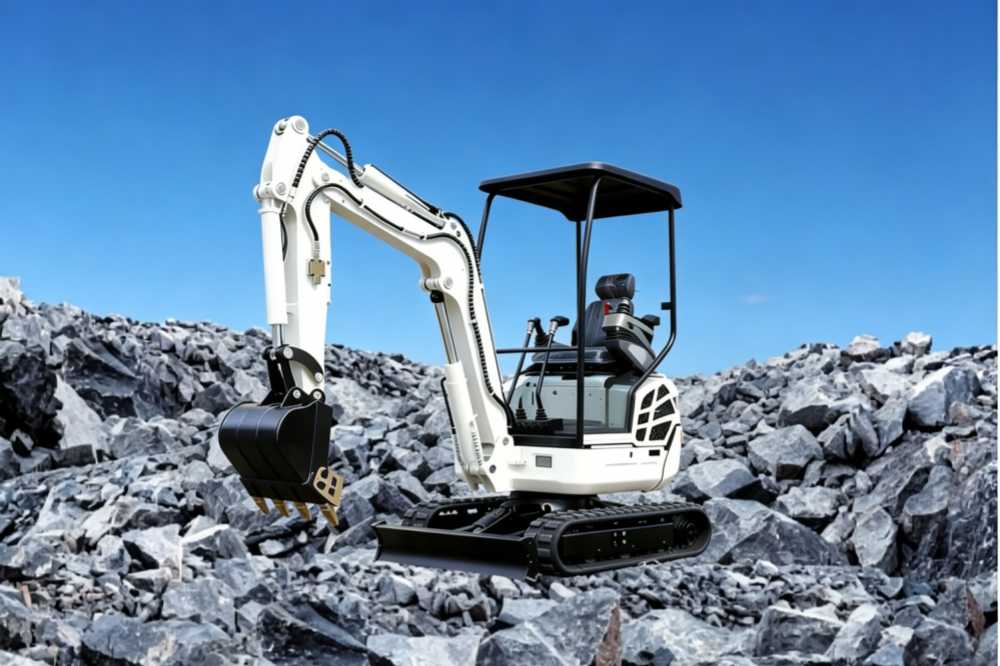
How to Maintain & Prevent Track Damage
1. Repair faulty rollers immediately
If any idler or carrier roller becomes stuck or fails to rotate, repair it without delay. Continuing to operate with a seized roller causes abnormal wear on the track links and can lead to costly track damage.
2. Avoid traveling on slopes and sudden turns
Repeated travel on sloping ground and sudden turning cause the track link side plates to rub against the drive wheel and idler side guides, accelerating wear. Choose straight travel paths and wide, gradual turns whenever possible to minimize side wear.
3. Regularly inspect and tighten bolts
After extended operation, vibration loosens critical fasteners — track plate bolts, drive wheel bolts, idler bolts, and travel motor bolts. Operating with loose track plate bolts creates gaps that accelerate wear on bolt holes and track links, eventually requiring full track replacement. Tighten all fasteners to specification during regular inspections.
Most track failures originate from small, easily overlooked details. Only through consistent, careful maintenance of your equipment can you maximize its service life and avoid unexpected downtime.