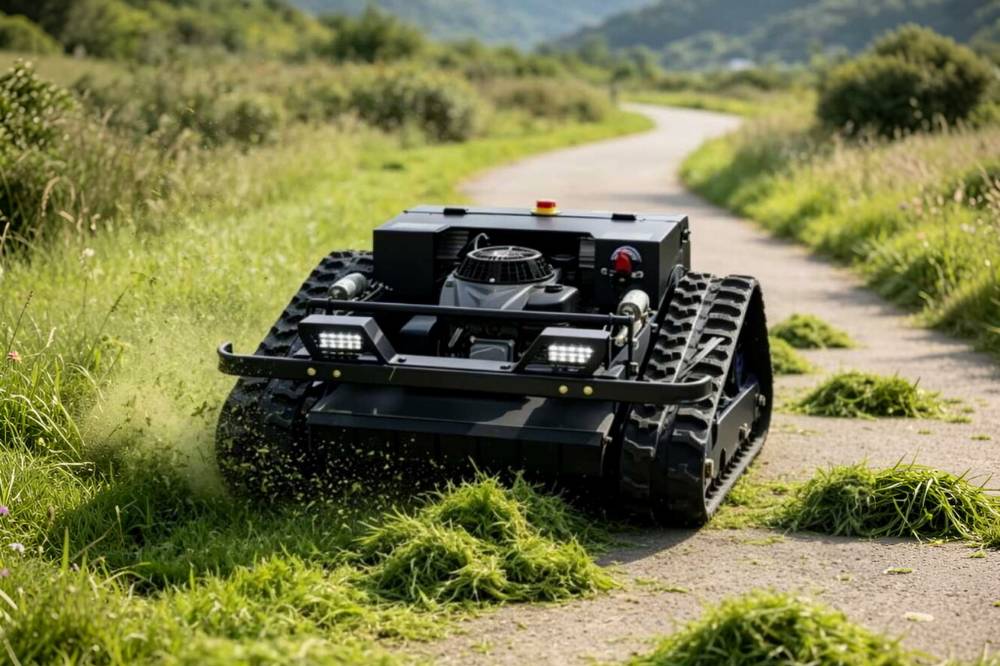

Electric Lawn Mower
A Complete Guide · Types, Operation & Maintenance
For homeowners with lawns or gardens, mowing is a regular task. In recent years, electric lawn mowers have emerged as a powerful alternative to traditional fuel-powered models. This article covers everything you need to know — from types and working principles to daily use and maintenance — helping you master this modern gardening tool.
What Is an Electric Lawn Mower?
As the name suggests, an electric lawn mower is powered by electricity. It uses an electric motor to spin the blade at high speed, cutting grass cleanly and efficiently. Compared with fuel-powered models, electric mowers differ significantly in noise level, emissions, and daily maintenance requirements.
With the maturity of lithium battery technology, the runtime and portability of electric lawn mowers have improved dramatically — making them the top choice for many households.
Types of Electric Lawn Mowers
Based on power supply and structure, electric lawn mowers fall into three main categories:
Wired electric lawn mowers: Powered by connecting directly to an electrical outlet. They offer stable power and eliminate battery anxiety, but are limited by cord length — best suited for small lawns near a power source.
Wireless lithium battery lawn mowers: Powered by rechargeable batteries. Free from cord constraints, they offer greater flexibility and are now the market mainstream.
Walk-behind electric lawn mowers: Typically found on larger lawns with bigger battery capacities. Some models also feature self-propelled functions to reduce physical effort. Additionally, handheld electric trimmers exist for edging and corner work, though this article focuses on ground mowing equipment.
How It Works
Regardless of type, the core components of an electric lawn mower are the electric motor and the blade. The motor converts electrical energy into mechanical energy, driving the blade to rotate at high speed and cut grass.
Blades are typically made of high-strength steel with sharpened edges. For wireless models, the battery pack's voltage and ampere-hour (Ah) rating determine range and power output. Common voltages include 20V, 40V, and 60V — higher voltage means faster blade speed and greater cutting force. Battery capacity, measured in Ah, dictates how long the mower can run on a single charge.
Safety & Operation
Safety is the top priority when using an electric lawn mower. Before operation, check that the blade is sharp and the battery is securely installed. Wear long pants and non-slip shoes, and avoid mowing damp grass to prevent electric shock or slipping.
When replacing a wireless battery, always turn off the power and wait for the blade to come to a complete stop. For wired models, take care not to cut the cord with the blade — route the wire behind the operator at all times.
Maintenance Tips
Electric lawn mowers require far less maintenance than fuel-powered machines — one of their key advantages:
After each use, clean grass debris from the machine body and blade to prevent buildup and rust.
Store batteries in a cool, dry place. Avoid leaving them fully depleted or overcharging. If storing for an extended period, keep the charge around 50% and recharge every two months.
Inspect the blade quarterly. If dull, sharpen with a specialized tool or replace directly. The motor generally requires no special maintenance, but keep the heat dissipation port clear of dust.
Noise & Environmental Impact
Noise is a common concern.实测数据显示,electric lawn mowers typically operate below 80 dB, while fuel-powered models often exceed 95 dB. This means early morning or evening mowing with an electric mower is far less likely to disturb neighbors and is gentler on your hearing.
Additionally, electric mowers produce zero exhaust emissions — making them safer for use in enclosed gardens or areas sensitive to air quality.
Smart Features on the Horizon
Technology is pushing electric lawn mowers toward greater intelligence. Some high-end models now feature automatic blade adjustment, Bluetooth connectivity, and even intelligent path planning — essentially mowing autonomously like a robotic vacuum. While these features carry a premium price tag, basic electric lawn mowers already meet the needs of most households.
Overall, electric lawn mowers are becoming the mainstream choice for home lawn maintenance thanks to their quiet operation, zero emissions, and low maintenance demands. If you're considering an upgrade, refer to the types and precautions outlined above to find the right model for your needs. We hope this guide helps you make a confident decision and makes mowing easier and more efficient.