

7 Excavator Operating Techniques to Save Fuel
Practical Tips from the Cab
1. Build a Loading Platform
To improve loading efficiency and save fuel, experienced operators build a leveled platform — a raised, flat surface at truck bed height. This eliminates the need to lift the boom high for each load, reducing cycle time and fuel use.
2. Set the Right Cylinder Angle
Maximum digging force is achieved when the boom cylinder forms a 90° angle with the boom, and the bucket cylinder forms a 90° angle with the stick. Position the machine so these optimal angles are maintained during the critical cutting phase — this maximizes force output and reduces cycle time.
3. Maintain the Correct Bucket Angle
The angle between the bucket and the ground is critical during both cutting and grading operations. A bucket angle of approximately 30° to the ground — with the stick nearly level — delivers the most efficient cut with the lowest fuel consumption.
4. Stay Within the Boom's Optimal Range
Work primarily between 45° (front reach) and 30° (rear) from the machine centerline, where the boom generates maximum torque. Avoid extending the stick to its full reach and then retracting it against the cylinder stop — this creates high resistance, low efficiency, and excessive fuel consumption.
5. Excavate in Layers — Top Down
Whether trenching or benching, always cut in horizontal layers. This produces straight, clean trench walls and keeps all three cylinders working near their optimal force range. When loading, always take the top layer first — lifting material from the bottom requires fighting the weight of the overburden, which demands significantly more boom force and fuel.
6. Use the Bucket for Pushing — Not the Tracks
Many small excavators are equipped with dozer blades, but relying on track push-force alone accelerates undercarriage wear dramatically. Instead:
• Break up the material with the bucket first, then push in layers.
• If resistance is too high, don't force it — reposition and try again.
• For unavoidable pushing, combine a slight backward stick pull with forward travel — similar to climbing a slope — to reduce the load on the travel motors and extend undercarriage life.
7. Eliminate Prolonged Idling
Idling burns fuel without producing any work. Many operators leave engines running during long waiting periods — a habit that silently eats into profit. Turn off the engine whenever the machine will be idle for more than 5 minutes.
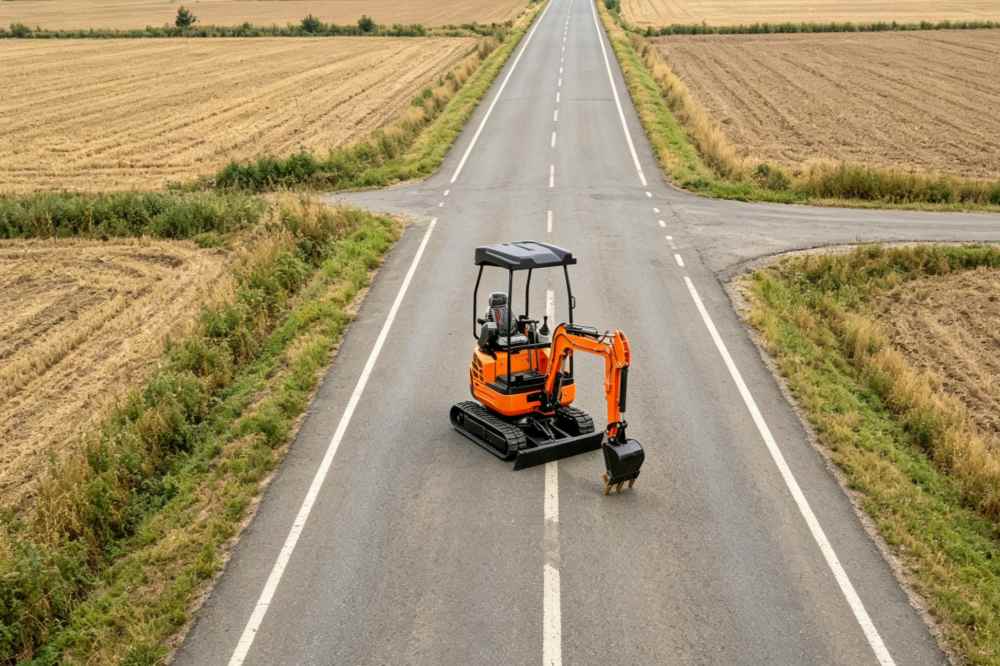
Small adjustments in technique add up to significant fuel savings over a shift. Master these seven habits, and you'll see a measurable difference in your operating costs.